High-Impact Amazon Listing Optimization Solutions
On Amazon, visibility means nothing if your copy and images don’t earn the click. Conversion only happens when shoppers trust what they see. That’s why Amazon list optimization isn’t about stuffing keywords or tweaking bullet points. It’s about aligning your listing with how buyers browse, compare, and decide.
I optimize Amazon listings using a proven framework trusted by 7- and 8-figure brands selling millions every year. The focus is simple: clearer positioning, stronger messaging, and visuals that make choosing your product the obvious next step.
Here's what you can expect with Christina Ink Amazon services:
✓ Search-First Copywriting: Keyword-rich titles, bullets and descriptions designed to rank higher and persuade faster
✓ Scroll-Stopping Images: High-converting main and secondary images that stop the scroll and get the click
✓ A+ Content + Brand Story: Crafted to build trust, showcase value, and turn browsers into loyal buyers
✓ Advanced Amazon SEO: I leverage cutting-edge keyword tools like DataDive to help your product rank organically and stay on page one.
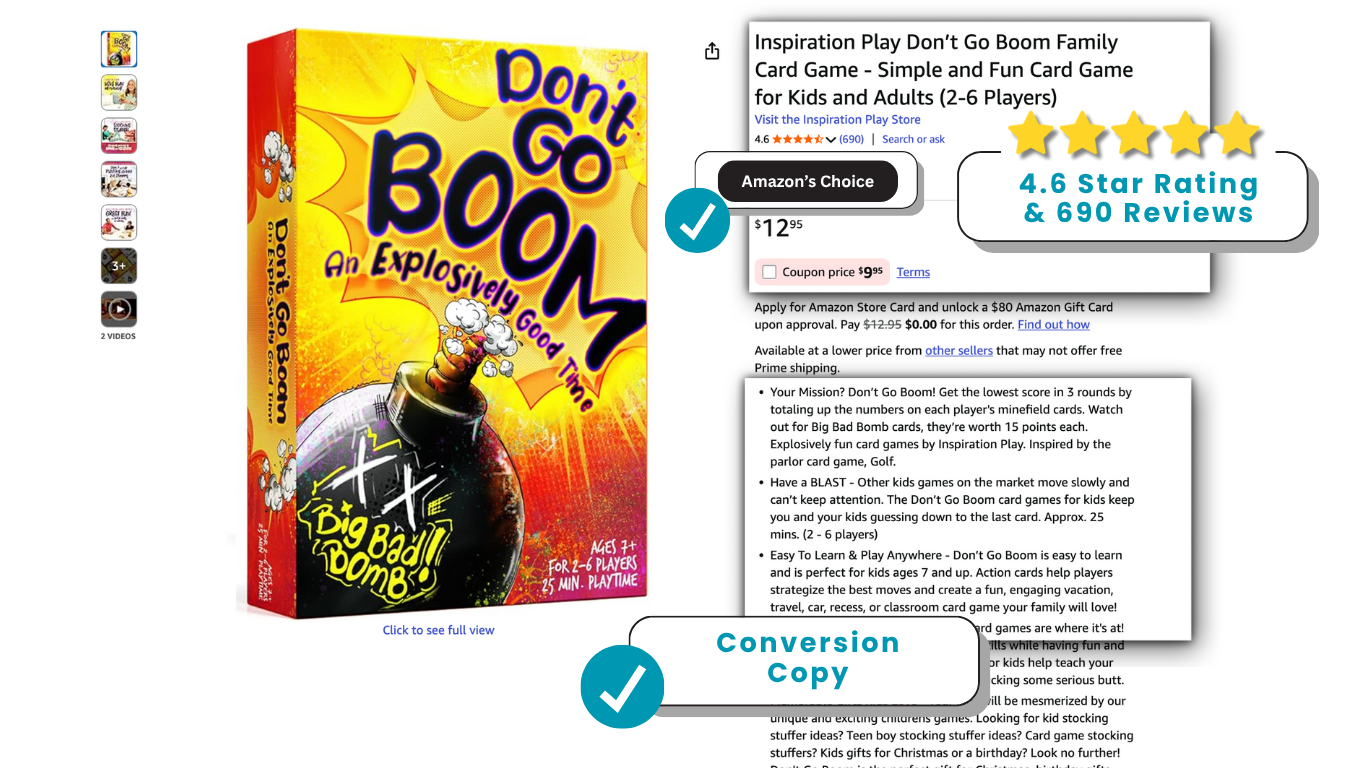
Copy, Graphics, and Happy Shoppers At Your Fingertips
Amazon Copywriting & SEO
Amazon shoppers scan, compare, and decide fast. That means your listing has to earn trust, answer questions quickly, and remove hesitation at every scroll. I write Amazon listings with the algorithm and the buyer in mind, balancing keyword strategy with clarity.
From SEO Amazon titles and bullets to descriptions, A+ Content, and comparison visuals, every element is intentional.
What You Get:
- An Amazon content strategy tied to business goals
-
Keyword-informed titles, bullets, and descriptions that are read naturally
-
Buyer-first messaging that addresses objections, use cases, and differentiators early
-
SEO structure aligned with how Amazon indexes and surfaces listings
-
A+ Content copy that supports comparison, brand trust, and higher conversion rates


Amazon Images
Amazon images do the heavy lifting before a single word is read. They stop the scroll and communicate value in seconds. I approach listing images as conversion tools, designed to answer questions and reduce hesitation.
All image projects are built using Figma, so files are easy to review and hand off. You’ll always know what’s in progress, what’s approved, and what’s ready to upload.
What You Get:
- Strategic Amazon image sequencing that guides shoppers through benefits, use cases, and comparisons
- Clear callouts, iconography, and text overlays that follow Amazon’s image policies
- Comparison and feature charts designed to improve CTR and conversion
- Mobile-first layouts so images stay legible and effective on smaller screens
- Clean, organized Figma or Adobe files for easy collaboration and future updates
A+ Content & Amazon Brand Story
A+ Content and Brand Story are about reinforcing confidence once a shopper is already interested. This is where you deepen understanding, differentiate from look-alike competitors, and give buyers the reassurance they need to follow through.
I treat Amazon A+ Content (Enhanced Brand Content) and the Brand Story as extensions of your listing strategy. Layout, messaging, and visual flow are built to support your bullets, images, and positioning, so everything is cohesive.
What You Get:
- Modular A+ layouts that clearly explain benefits, use cases, and product differences
- Brand Story design that strengthens credibility without sounding promotional
- Visual hierarchy that guides scanning behavior (especially on mobile)
- Comparison charts and lifestyle sections that reinforce value and reduce returns
- Social Proof and FOMO content to make buyers feel part of your community
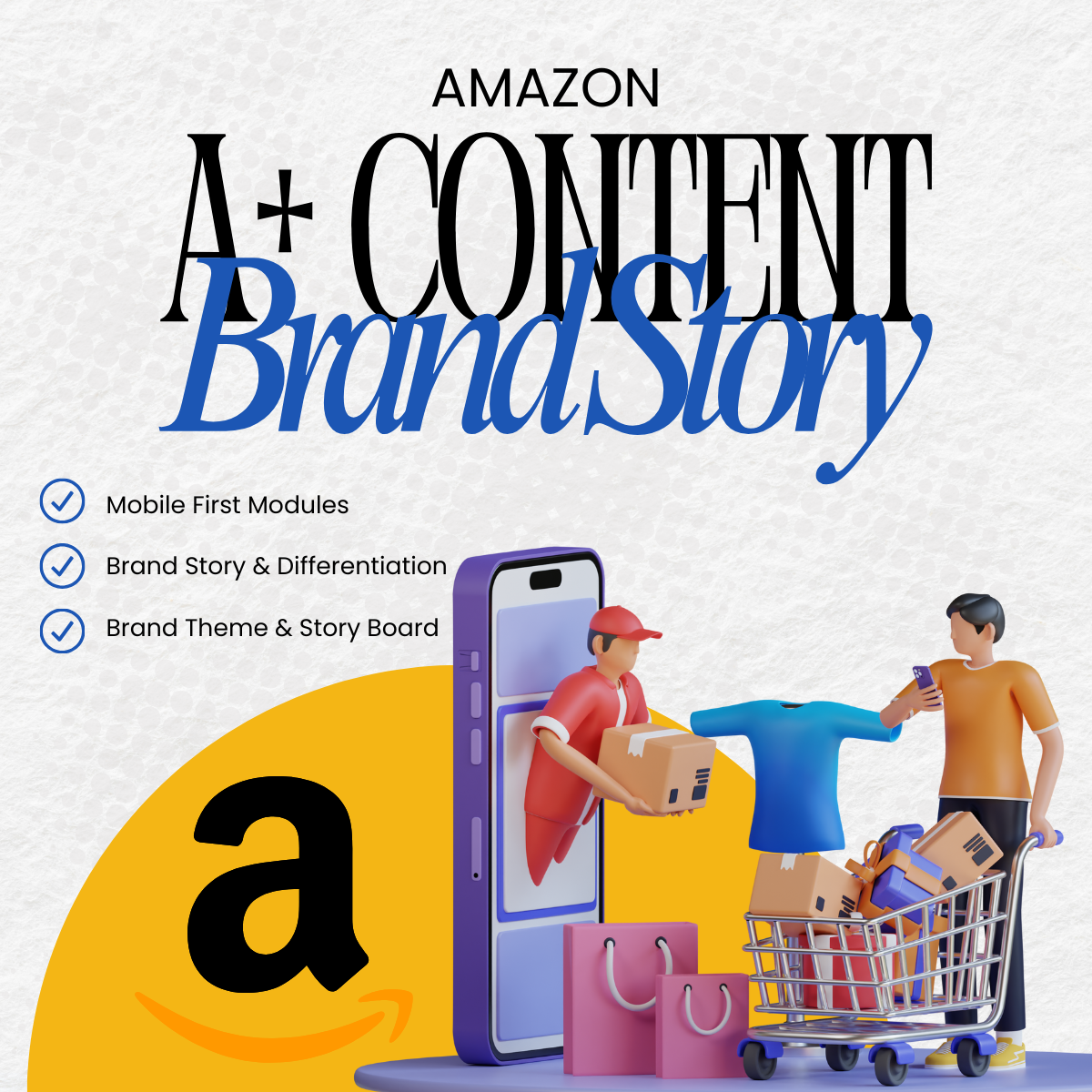
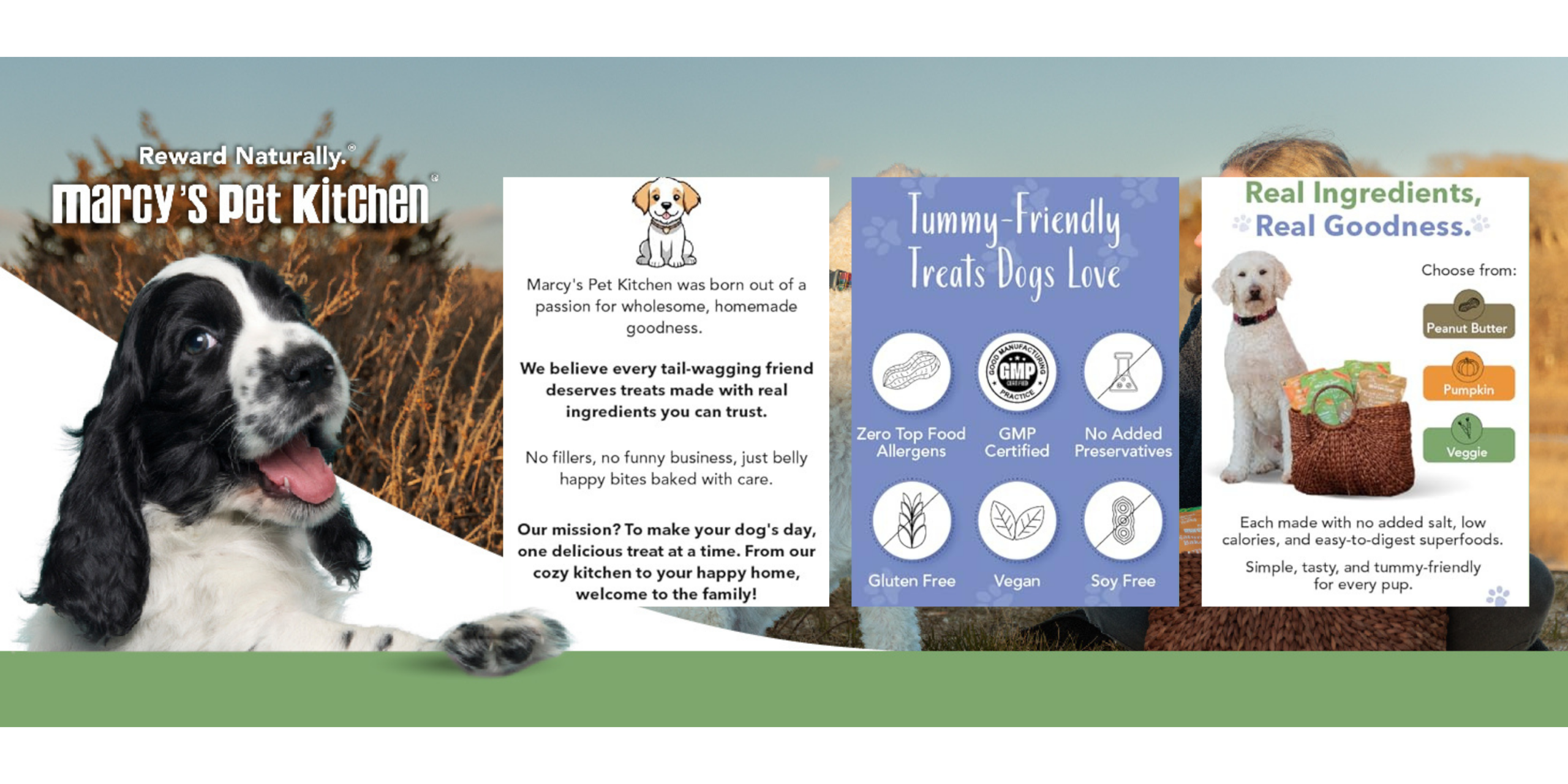
Amazon A+ Content and Amazon Brand Story Samples In Action
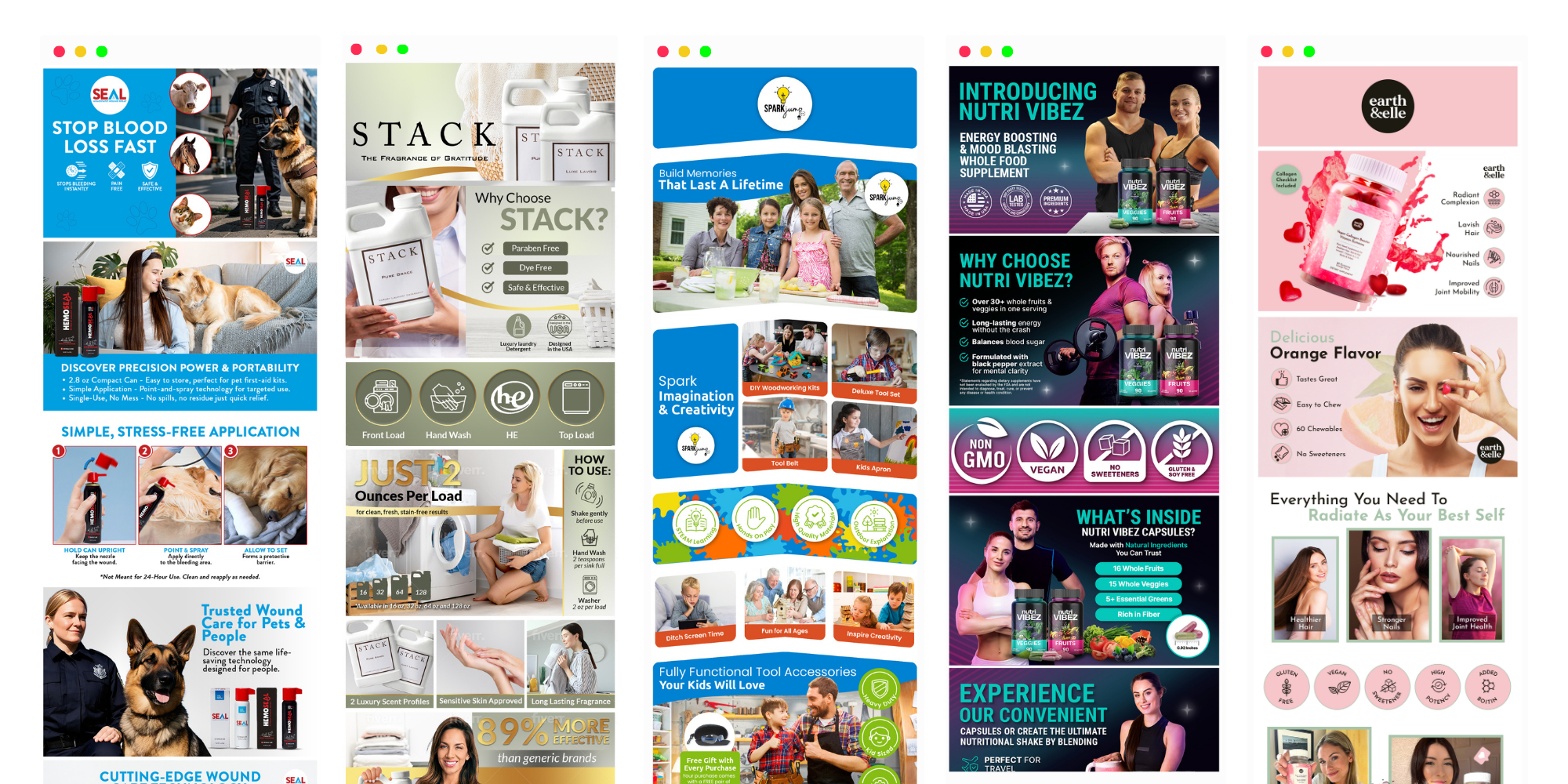

This is For You If You’re Tired of Usual Amazon Agency Games…
If you’re exhausted by agency jargon, low-quality handoffs, and “full-service” promises that deliver fragmented results, you’re not alone. Christina Ink Amazon Listing Optimization is for sellers who want less friction and high-performing results.
Amazon Agencies Aren't Always Your Best Bet
Sure, on paper, big-box agencies can look like the safe choice. Large teams, impressive decks, familiar faces from podcasts. In reality, many sellers end up locked into big retainers, rigid contracts, and long delivery timelines with very little flexibility.
Requests outside the original scope get delayed, replies slow down, and small changes start to feel like negotiations.
Work is passed between junior writers, designers, and account managers using templates that don’t fit your category, margins, or marketplace realities.
How I Solve Your Agency Dilemma Without Friction
No layers and no getting passed between teams. You work directly with me: the person shaping your positioning, writing the copy, and making sure everything connects across Amazon, your website, and your broader content ecosystem.
That means one clear strategy carried through every asset, faster decisions, and tighter feedback without unnecessary back-and-forth.
Instead of managing an agency, you get focused execution with strategic oversight built in.
What If I Told You A Connected Content Ecosystem is the Way to More Sales and Freedom?
A connected content ecosystem changes how buyers experience your brand. Instead of publishing more, everything works together to position your business as the obvious choice, before comparisons ever begin. When your content answers questions early and supports every channel, momentum compounds into consistent sales and results you can actually measure.
Content Strategy
Content strategy is where everything gets aligned before anything gets published. This is where positioning is clarified, buyer questions are mapped, and your website copy and social presence start working toward the same goal instead of pulling in different directions.
I focus on building a clear content narrative across your website, key landing pages, and social channels so buyers experience consistency at every touchpoint. Messaging is intentional, objections are addressed early, and calls to action feel natural.
SEO & AEO Content
SEO and AEO content is about being discoverable wherever buyers search, including AI-driven results. That means structuring content in clear, answer-focused chunks that search engines and large language models can easily surface.
I create long-form blog content designed to rank, get cited, and support decision-making. Topics are chosen based on real buyer intent, written to answer specific questions, and structured to strengthen your broader content ecosystem.
FAQ
Amazon listing optimization is about understanding how shoppers search, how Amazon’s algorithm evaluates relevance, and how your content influences buying decisions on and off the platform. If you’re wondering whether your listing is truly optimized, or how it fits into a bigger content and brand strategy, you’re in the right place.
Why isn’t my product ranking on Amazon even though I’m using keywords?
Because keywords alone don’t equal relevance. Amazon looks at how shoppers interact with your listing after they find it. If your product gets impressions but low clicks, poor conversion, or weak engagement, Amazon learns that your listing isn’t the best match, regardless of how many keywords you’ve added. Ranking comes from alignment between search intent, listing clarity, and performance data.
How do I optimize my listing for Amazon search and AI-driven discovery (AEO)?
Amazon listings now influence visibility beyond Amazon itself. Clear structure, semantic language, and well-organized content help large language models understand what your product is, who it’s for, and why it’s different. Writing in clear content blocks or "chunks" can help improve on-Amazon performance and off-Amazon discovery.
How do I balance Amazon SEO with conversion-focused copy that actually sells?
SEO helps get shoppers to your listing, but conversion copy gets them to buy. The balance comes from writing for humans first, then optimizing for the algorithm. Your title and bullets should clearly communicate value, outcomes, and differentiation, while supporting keyword relevance. If a listing ranks but doesn’t convert, Amazon eventually stops rewarding it.
Which keywords should go in my title, bullets, backend, and A+ Content, and why?
Not all keywords carry the same weight. High-intent, high-volume terms belong in visible areas like the title and bullets because they can influence indexing and shopper confidence. Secondary terms belong in backend fields to support indexing without cluttering the listing. A+ Content reinforces relevance and conversion by adding context, visuals, and clarity.
Are my images helping or hurting my conversion rate?
Images can mean the difference between a click and a scroll. Strong listings use images to answer buyer questions visually: how it’s used, who it’s for, how it compares, and why it’s worth the price. Missing lifestyle shots, unclear infographics, or non-compliant images can quietly suppress conversion, even if traffic looks healthy.
Why did my sales stall after a listing update or re-optimization?
This is more common than sellers realize. After updates, Amazon may temporarily re-index your listing, reassess relevance, or pause momentum while performance data resets. If changes weren’t aligned with actual search intent, or removed keywords tied to existing sales, you may see short-term drops. Optimization should always be data-led and intentional.
Do I actually need A+ Content, or is it “nice to have”?
A+ Content isn’t mandatory, but for competitive categories, it can mean the difference between hesitation and trust. It helps shoppers validate their decision, understand your brand, and feel confident, especially on mobile. While A+ alone won’t fix a broken listing, it can significantly improve conversion when the foundation is solid.
How often should an Amazon listing be optimized, or re-optimized?
There’s no fixed schedule. Listings should be revisited when data signals change, drops in conversion, rising CPCs, new competitors, shifting search terms, or category changes. Optimization is ongoing, but it should be strategic, not constant tinkering that disrupts momentum.
Do you guarantee rankings or sales on Amazon?
No, because no one can legitimately guarantee outcomes on Amazon. Rankings and sales are influenced by factors outside any provider’s control, including buyer behavior, pricing, competition, and algorithm changes. What is guaranteed is a strategic, best-practice approach to listing optimization: clear, buyer-focused content, intentional keyword placement, compliance awareness, and a structured delivery process designed to improve visibility and conversion over time, not false promises.
How does Amazon listing optimization fit into a bigger content marketing strategy outside Amazon?
Your Amazon listing is often the first touchpoint for your brand, even if the shopper found you elsewhere. A strong Amazon listing can help support blog content, comparison pages, ads, and AI search results by reinforcing consistent messaging and positioning. When Amazon optimization and content marketing work together, you’re building long-term demand and brand authority.